Lemon Haze in Ireland: Flowering Time, Aroma, Indoor Humidity and Outdoor Risk
Royal King Seeds
Cultivation team
Contents
- What Lemon Haze actually is
- Aroma, flavour and reported effect
- Flowering time next to the alternatives
- Growing Lemon Haze indoors: damp first, heat never
- Outdoors: why the finish date rules, and the rain that causes it
- Common mistakes with Lemon Haze here
- Which Lemon Haze seed to buy
- Where to go from here
- Sources
Lemon Haze is a sativa-dominant citrus haze hybrid with a reported flowering time of nine to eleven weeks, and that number is the whole decision in Ireland. A plant that needs ten weeks of bloom outdoors is still filling out in late October, weeks after the light has gone and the rain has set in. Indoors, or under glass with a dehumidifier, it is a straightforward grow with a very distinctive smell.
So the honest framing is not "is Lemon Haze good" but "where in an Irish grow does a ten-week sativa actually fit". This article takes the cultivar apart on the traits that matter here: bud structure, stretch, finish date, humidity load and the realistic alternatives if you only have a back garden.
What Lemon Haze actually is
Lemon Haze sits in a small family of lemon-scented haze crosses that share a citrus terpene profile and a long, loose flower. The names get used loosely by sellers, so it helps to see the group laid out.
- Lemon Skunk crossed to a Silver Haze line; citrus over incense
- Lemon Skunk x Super Silver Haze; taller, later, sharper lemon
- Haze-dominant, spicier and more earthy than lemon
- Citrus hybrids crossed to ruderalis for a fixed, shorter life cycle
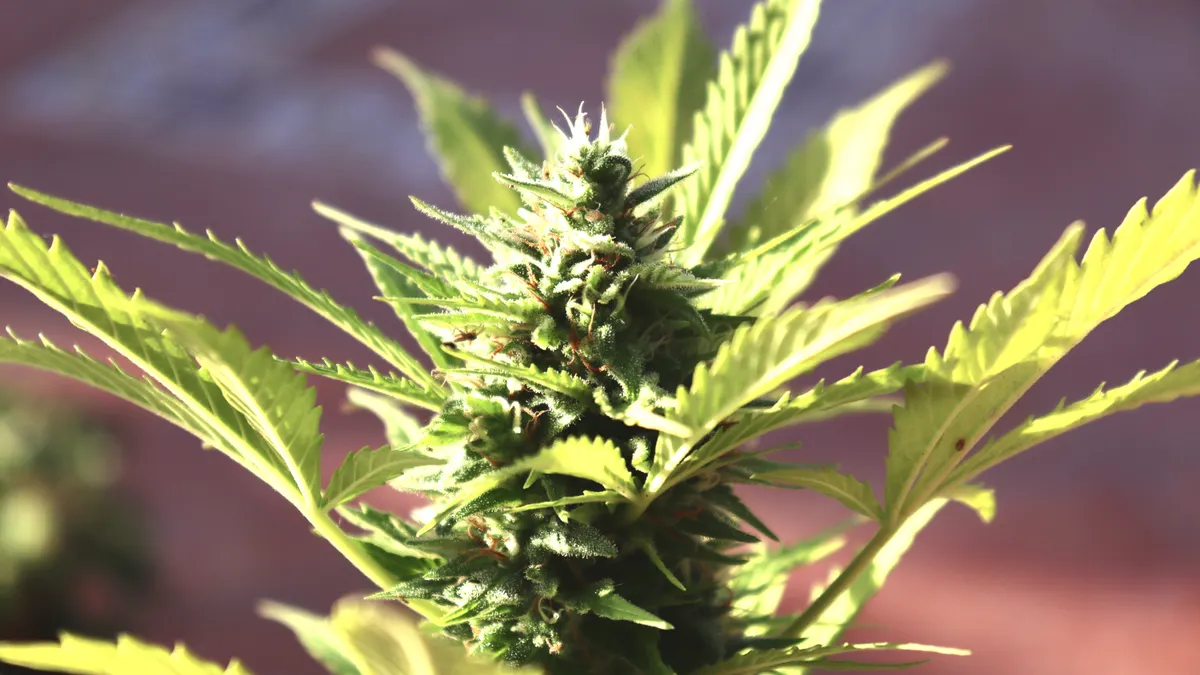
All of them inherit the same two haze habits: a long stretch when bloom begins, and flowers that build as open, spear-shaped colas rather than dense golf balls. That open structure is the single trait worth buying a haze for in this climate, because air moves through the bud instead of sitting in it.
The trade-off is time. Haze genetics are slow to ripen, and slow is expensive here — outdoors it costs you the calendar, indoors it costs you electricity.
Bottom line: Lemon Haze buys you airy, mould-shedding flowers and pays for them with a long bloom.
Aroma, flavour and reported effect
The smell is the point. Crushed Lemon Haze leaf gives sharp lemon rind and a faint pine resin underneath, and the cured flower keeps the citrus rather than fading to generic sweetness. Limonene and terpinolene are the terpenes usually credited with that profile.
Growers commonly describe the effect as clear-headed and talkative rather than sedating, which is typical of sativa-leaning haze lines. These are reported characteristics of the cultivar, not outcomes anyone can promise you, and phenotype variation between seeds is real.
One practical consequence: it is loud. A haze in late bloom fills a house, and carbon filtration on the extraction fan is not optional if that matters to you.

Flowering time next to the alternatives
The table below compares Lemon Haze with the cultivars Irish growers usually weigh it against. Flowering weeks are indoor figures reported for the type; outdoors everything runs later because light and temperature fall away through September.
| Cultivar | Flowering (weeks) | Stretch | Bud density | Best setting here |
|---|---|---|---|---|
| Lemon Haze | 9–11 | High | Open | Indoor or glass |
| Super Lemon Haze | 10–12 | Very high | Open | Indoor only |
| Amnesia Haze | 10–12 | Very high | Medium | Indoor only |
| Lemon autoflower | 8–10 total | Low | Medium | Outdoor or tent |
| Early indica hybrid | 7–8 | Low | Dense | Outdoor |
Read down the flowering column and the conclusion writes itself: Lemon Haze is the shortest of the hazes and still three weeks longer than what an Irish outdoor plot can carry. If you want the same citrus character on a season that closes in early October, the autoflower route is the realistic one — the trade-offs are set out in our comparison of autoflower and feminised seeds for Irish conditions.
If you are choosing between the two big hazes specifically, the Amnesia Haze grow notes cover the same ground for a later, spicier plant.
Growing Lemon Haze indoors: damp first, heat never
Indoor growing in Ireland is not a cooling problem. Ambient humidity outdoors sits near 80% for much of the year, so the air you pull into a tent is already wet before your plants transpire into it. A dehumidifier sized for the room, not a small unit parked in the tent, is the equipment that decides whether a haze finishes clean.
Target relative humidity around 55–60% through early bloom and closer to 45–50% in the last fortnight. A haze's open colas help, but ten weeks of bloom is ten weeks of exposure to whatever the room is doing.
Then there is cost. Irish household electricity is among the dearest in the European Union according to Eurostat energy price statistics, so an extra two weeks of bloom on a haze is a real number on the bill — lamp, extraction and dehumidifier all running. Budget for it before you germinate.
Handling the stretch
Expect the plant to double, sometimes more, in the first three weeks after the light flips. Flip early, at roughly a third of your final height, and top or use a screen so the stretch fills horizontal space instead of hitting the lamp.
Bottom line: Indoors, Lemon Haze is a humidity and headroom problem, not a temperature one.

Outdoors: why the finish date rules, and the rain that causes it
Ireland has no dry season. Rain falls in every month with an autumn maximum, per Met Éireann's climate information, which means the wettest, dullest weeks of the year land exactly on flowering. Nowhere on the island finishes dry.
The west can take more than twice the rain the east does
Annual rainfall, millimetres, long-term averages across the Republic:
A sheltered eastern garden is the only place an open-air haze is even arguable; on the Atlantic coast the combination of rain and wind ends the conversation. Regional differences in botrytis pressure and strain choice are worth reading before you commit a slow cultivar to soil.
The one genuinely good outdoor fact is latitude. At 51.5 to 55.4 degrees north, midsummer gives about seventeen hours of daylight, which builds enormous vegetative frames — and the same latitude is why the season shuts so abruptly in October.
- Plant out once night temperatures hold above about 10°C; slug protection from day one.
- Long days drive fast vegetative growth; top or train now, not later.
- Final feed regime set; tie in branches against Atlantic wind.
- Flowering begins; strip lower growth to open airflow through the plant.
- Daily bud checks; humidity rising, first botrytis risk window.
- Harvest deadline for anything you want to keep; a haze is still weeks off.
Bottom line: Outdoors in Ireland the calendar, not the cultivar, sets the harvest date — and Lemon Haze misses it.
Common mistakes with Lemon Haze here
- Planting it out in a back garden. What goes wrong: the plant is still swelling in late October in rain. Spot it by pistils still white in week eight of bloom. Instead, put a short-finish cultivar chosen for a wet autumn outside and keep the haze under cover.
- Undersizing the dehumidifier. What goes wrong: night humidity climbs above 70% and grey fuzz starts at the cola cores. Spot it by condensation on tent walls at lights-off. Instead, size the unit to the whole room and run it on a humidistat.
- Flipping to 12/12 too late. What goes wrong: the stretch puts colas into the lamp and bleaches the tips. Spot it by pale, brittle top bracts. Instead, flip at about a third of your target height.
- Leaving the plant untrained. What goes wrong: one dominant cola, thin lower buds, poor airflow. Spot it by a Christmas-tree shape at week two of bloom. Instead, top once in veg and spread the branches on a screen.
- Harvesting on the seller's week count. What goes wrong: cut early, the citrus is thin and the effect harsh. Spot it by clear, glassy trichomes under a loupe. Instead, judge by trichome colour and accept that a haze runs late.
- Ignoring slugs in June. What goes wrong: a young transplant is stripped overnight. Spot it by slime trails and ragged leaf margins. Instead, collar every transplant and check at dusk.
Bottom line: Almost every Lemon Haze failure here traces back to time, humidity or headroom.
Which Lemon Haze seed to buy
For an Irish grow we point people at Lemon Haze Feminised, included because its two defining traits — open, well-spaced haze flowers and the shortest bloom of the lemon hazes — match the two criteria this article keeps coming back to: airflow through the bud and a finish you can actually reach. Feminised seed also means no wasted tent space on males, though it is still worth knowing what a seed label does and does not control.
Run it in a tent with proper extraction, or in a greenhouse with a fan and an open vent from August onwards. In the ground, unsheltered, in a normal Irish autumn, it is a gamble rather than a crop.
Where to go from here
You now know the three numbers that decide this cultivar: nine to eleven weeks of bloom, a stretch that can double the plant, and an ambient humidity near 80% that has to be dragged down. If Lemon Haze suits your space, browse the indoor-suited cultivars and match it to your tent height. If your only option is outdoors, put your season dates and county into the strain finder and let it rule out anything that cannot finish by early October.
Sources
- Met Éireann, climate of Ireland.
- Met Éireann, monthly climate data.
- Eurostat, European statistics, energy prices.
Frequently Asked Questions
- How long does Lemon Haze take to flower?
- Lemon Haze is reported to flower in nine to eleven weeks indoors, which is the shortest bloom among the common lemon-scented hazes. Super Lemon Haze and Amnesia Haze typically run ten to twelve. Outdoors in Ireland everything runs later still, because light and temperature drop sharply through September, so that nine-week figure should be treated as a best case under lights.
- Can you grow Lemon Haze outdoors in Ireland?
- Not reliably in open ground. The Irish season closes in early October and Lemon Haze would still be ripening weeks after that, in the wettest, dullest part of the year. A ventilated greenhouse in the drier east is the only realistic outdoor home for it. For an open plot, choose a cultivar that finishes by late September instead.
- What does Lemon Haze smell and taste like?
- Sharp lemon rind over a faint pine resin note, which survives curing rather than fading to generic sweetness. Limonene and terpinolene are the terpenes usually credited with that profile. Growers commonly describe the effect as clear-headed and talkative rather than sedating, which is typical of sativa-leaning haze lines. These are reported characteristics and vary between individual plants.
- Is Lemon Haze good for beginners?
- It is manageable indoors but unforgiving of two things: stretch and humidity. The plant can double in height after the light flip, so headroom and early training matter, and ten weeks of bloom means ten weeks of humidity control. A first-time grower with a short tent and no dehumidifier will struggle; one with both will find it straightforward.
- What is the difference between Lemon Haze and Super Lemon Haze?
- Super Lemon Haze is the taller, later and sharper-smelling of the two, typically running ten to twelve weeks against Lemon Haze's nine to eleven, with more aggressive stretch. Both share the open haze flower structure. In an Irish tent the extra two weeks of lamp, extraction and dehumidifier time is a genuine cost difference, which usually favours Lemon Haze.
Related Articles
Amnesia Haze in Ireland: Flowering Time, Stretch, Aroma and Indoor Growing
cultivarsStrawberry Haze in Ireland: Flowering Time, Stretch, Berry Aroma and Wet-Autumn Risk
autoflowerAutoflower vs Feminised Seeds in Ireland: Finish Dates, Mould Risk, Yield and Indoor Running Costs
outdoorCannabis Seeds in Ireland: Seed Types, Season Dates and How to Choose for a Wet Autumn
Ready to Start Growing?
Browse 1,677 cannabis seed varieties with discreet shipping to addresses in all 26 counties and our sourced grow figures.
Shop Cannabis Seeds