Autoflower vs Feminised Seeds in Ireland: Finish Dates, Mould Risk, Yield and Indoor Running Costs
Royal King Seeds
Cultivation team
Contents
For an outdoor garden anywhere in the 26 counties, an autoflower is the safer choice and a feminised photoperiod is the bigger prize. Autoflowers run on a fixed internal clock, so they can be sown late May and cut before the worst of the autumn rain; feminised photoperiod plants wait for the nights to lengthen and finish late September into the first days of October, right in the wettest weeks of the Irish year.
That single timing difference decides almost everything else — plant size, yield, how long wet flower sits on the stem, and how much control you have when a week of Atlantic rain arrives. The rest of this article puts numbers and dates on it.
What the two labels actually control
Two separate things get bundled into one shelf. Feminised describes sex: seeds bred to produce female, flowering plants. Autoflowering describes the trigger for flowering: age rather than daylight. Nearly all autoflowers sold are also feminised, which is why the two words get treated as opposites when they are not.
- Flowers on age, no daylight cue, short compact plant
- Flowers when nights lengthen, large plant, later finish
- Both sexes, photoperiod, males culled or kept for breeding
If you want the detail on why sex matters and how to read preflowers, the piece on what a seed label controls and when to cull covers it properly.
| Trait | Autoflowering | Photoperiod feminised | Regular |
|---|---|---|---|
| Flowering trigger | Age | Lengthening nights | Lengthening nights |
| Typical outdoor harvest | August to mid-September | Late September to early October | Late September to early October |
| Plant size outdoors | Small, one main cola | Large, branching | Large, branching |
| Weeks of wet flower exposure | Fewest | Most | Most |
| Training tolerance | Low | High | High |
| Sex checking needed | No | No | Yes |
Read that table as a timing table, not a quality table. Nothing in it says one type produces better flower; it says one type spends far less of its life under Irish autumn weather.
Bottom line: Feminised is about sex, autoflowering is about timing, and in Ireland timing is the variable that decides the harvest.
Why the Irish autumn changes the maths
Ireland has no dry season. Rain falls in every month with an autumn maximum, according to Met Éireann's summary of the Irish climate, so the dullest, wettest weeks of the year land squarely on the photoperiod flowering window. There is nowhere on the island where flowering happens dry.
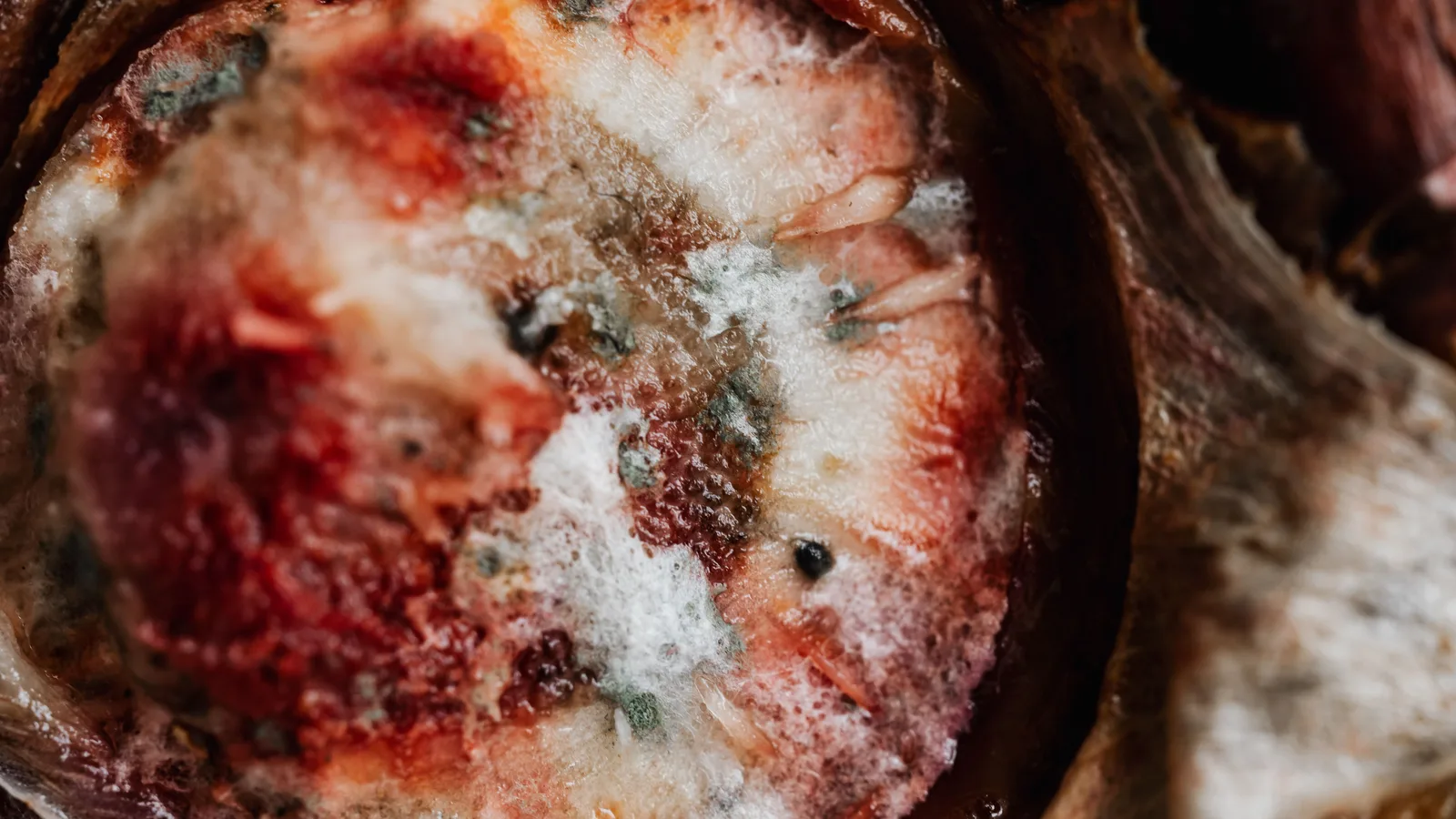
That is why botrytis — grey mould inside dense flower is the yield limit here, not cold and never heat. A plant that loses its top cola to rot in the third week of September has failed regardless of what the yield figure on the listing said.
The west can take more than twice the rain the east does
Annual rainfall, millimetres per year, typical ranges across the island from Met Éireann monthly climate data:
Ireland is close to one climate end to end — temperate oceanic — but that rainfall gradient, plus Atlantic wind in the west, is the reason an autoflower's earlier finish is worth more in Galway or Kerry than it is in a sheltered Dublin back garden.
Bottom line: Choose for mould resistance, open flower structure and a short finish before you look at potency or yield claims.
The season, sown both ways
Midsummer here gives about seventeen hours of daylight at 51.5 to 55.4 degrees north, which is a genuine vegetative advantage — and the same latitude is why light collapses so abruptly through October.
- Start seedlings indoors or under cover; both types need warmth to get going.
- Plant out once night temperatures hold above about 10°C. Slugs, not exotic pests, are what strip a young transplant in June.
- Last sensible autoflower sowing if it is to finish before the light goes. Photoperiod plants build frame under long days.
- Autoflowers sown in May are flowering. Photoperiod plants are still vegetative and getting large.
- First autoflowers come down dry-ish. Photoperiod plants begin flowering as nights lengthen.
- Peak botrytis risk. Inspect dense colas every two or three days after rain.
- Photoperiod harvest. Take it early rather than gamble on a settled week that may not come.
The practical trick is staggering: sow autoflowers in two or three small batches from late May to mid June so no single wet fortnight catches every plant at the same stage. Keep the unsown seed properly — storage in a cool, humid climate is its own problem here.
Indoors, the question is different
Indoor growing in Ireland is a damp problem and a cost problem, not a heat problem. Ambient humidity sits near 80% for much of the year, and electricity is among the dearest in the European Union — the Sustainable Energy Authority of Ireland publishes the national energy statistics behind that. A dehumidifier sized for the room is the advice that matters.
Under lights, the comparison flips. Photoperiod feminised plants let you hold a short vegetative stage and flip on your schedule, so you control the cycle length and the plant count. Autoflowers cannot be held back, and their fixed clock means every run costs the same number of light-hours whether the plant thrives or sulks.
| Question | Autoflowering | Photoperiod feminised |
|---|---|---|
| Light schedule | One schedule throughout | Two stages, grower sets the flip |
| Cycle length control | Fixed by genetics | Set by the grower |
| Running cost per cycle | Predictable, unavoidable | Adjustable with veg time |
| Recovery from a mistake | Poor, clock keeps running | Good, extend veg to recover |
| Suits small tents | Yes | Yes, with training |
In short: outdoors the autoflower's fixed clock is protection, indoors it is a constraint. Growers running indoor-suited varieties in an Irish room usually get more from photoperiod stock once the dehumidifier is sorted.
Bottom line: Outdoors the fixed autoflower clock protects you; indoors it removes the flexibility that saves a struggling run.
Common mistakes

- Planting out too early. A May cold snap stalls seedlings and an autoflower never makes that time back. Spot it as stunted growth with purpling stems. Wait until nights hold above about 10°C, then plant.
- Buying on yield figures. Grams per square metre are measured in dry indoor rooms, not Irish Septembers. If the listing leads on yield and says nothing about structure, treat the figure as a ceiling you will not reach outdoors. Choose on finish date and flower density instead.
- Topping an autoflower. Heavy training on a plant with a fixed clock costs days it cannot recover. The tell is a plant that sits still for a week after the cut. Use gentle bending only, or train photoperiod plants instead.
- Running one photoperiod monster. All the risk sits on one canopy in the worst month. If a single cola rots, most of the harvest goes. Three smaller staggered plants spread the exposure.
- Sowing autoflowers in July. Light fades fast in the second half of September and the plant finishes in the dark and wet. Mid June is the realistic cut-off.
- Treating one Irish county as a different climate. The country is one temperate oceanic climate with a rainfall and wind gradient, not a set of regions with separate rules. Adjust shelter and finish date, not your whole plan.
Which one, for which grower
| Situation | Better fit | Why |
|---|---|---|
| First outdoor season | Autoflowering | Short exposure, no light management |
| Exposed western site | Autoflowering | Off the plot before autumn peak |
| Sheltered eastern garden | Photoperiod feminised | Driest area, largest plants |
| Small indoor tent | Photoperiod feminised | Veg time adjusts to the room |
| Balcony or small yard | Autoflowering | Compact, discreet, fast |
Most Irish outdoor growers should start with autoflowering seeds for a season, learn where the damp sits in their own garden, then try photoperiod feminised seeds once they know whether the site can carry a plant into October.
One variety that matches these criteria
Northern Lights Auto is included here because it meets the two criteria this article sets out: a reported short autoflowering finish that can clear the September rain, and a compact frame that fits a small, sheltered Irish plot. Be honest about the trade-off — its flower is dense in the indica style, so canopy airflow and a hard look at the main cola after every wet spell still matter.
Bottom line: Pick autoflowers for exposure and speed, photoperiods for control and size, and never for the potency line alone.
Where to go next
You now know which trigger suits your site and which month your harvest should land in. Narrow it to actual varieties with the strain finder, filtering for a short finish first, or read the fuller treatment of season dates and wet-autumn traits before you sow anything in late May.
Sources
- Met Éireann, the climate of Ireland.
- Met Éireann, monthly climate data.
- Sustainable Energy Authority of Ireland, national energy data and statistics.
Frequently Asked Questions
- Are autoflowers better than feminised seeds in Ireland?
- For most Irish outdoor plots, yes, because autoflowers finish earlier. They flower on age rather than daylight, so a late-May sowing can be harvested in August or early September, ahead of the autumn rainfall peak. Photoperiod feminised plants finish late September into early October and carry wet flower through the worst weeks, which is where grey mould does its damage. Indoors, photoperiod feminised stock gives more control.
- Can I plant autoflower seeds in July in Ireland?
- It is too late to be reliable. Ireland sits between 51.5 and 55.4 degrees north, so daylight falls away quickly through September and October, and a July sowing finishes in low light and heavy rain. Mid June is the realistic cut-off for an outdoor autoflower here. If you want a later run, do it indoors under lights instead.
- Is a feminised seed the same as an autoflower?
- No. Feminised describes sex, meaning seeds bred to produce female flowering plants. Autoflowering describes what triggers flowering, which is the plant's age rather than the length of the night. Nearly all autoflowering seeds sold are also feminised, which is why the two words get confused. A photoperiod feminised seed is female but still needs lengthening nights to flower.
- Do autoflowers resist mould better than photoperiod plants?
- Not inherently, but they are exposed for less time. Mould resistance comes from flower structure and genetics, not from the flowering trigger. What an autoflower gives you in Ireland is fewer weeks of ripe flower sitting under autumn rain. Combine the short finish with an open flower structure and good canopy airflow, and check dense colas every few days after wet spells.
- Which seed type yields more outdoors in Ireland?
- Photoperiod feminised plants have the higher ceiling because they grow far larger through Ireland's seventeen-hour midsummer days. Whether you reach that ceiling depends on your site: a sheltered eastern garden with around 750mm of annual rain has a better chance than an exposed western one taking well over 1,200mm. Three staggered autoflowers often beat one large plant lost to rot.
Related Articles
How to Choose Cannabis Seeds in Ireland: Seed Types, Finish Dates and Wet-Autumn Traits
outdoorCannabis Seeds in Ireland: Seed Types, Season Dates and How to Choose for a Wet Autumn
pests-and-problemsOutdoor Growing in Ireland: Mould Resistance, Strain Selection and Regional Differences
cultivarsHemp Seed Types for Irish Growers: Fibre, Grain, Dual-Purpose and CBD-Rich Compared
Ready to Start Growing?
Browse 1,677 cannabis seed varieties with discreet shipping to addresses in all 26 counties and our sourced grow figures.
Shop Cannabis Seeds