Male Cannabis Plants: What Seed Labels Control, How to Spot Preflowers and When to Cull
Royal King Seeds
Cultivation team
Contents
- What a seed label actually promises
- How to tell a male from a female
- The sexing sequence through an Irish season
- Why one missed male costs more in Ireland
- What the label cannot control: stress and intersex flowers
- When a male is worth keeping
- Common mistakes
- What to check once sex is settled
- Where to go next
- Sources
A seed label controls one thing only: the sex you should expect the plant to flower as. Regular seeds average roughly half male, feminised seeds are bred to flower female, and autoflowering feminised seeds do the same on a fixed age rather than a light cue. The label says nothing about bud density, finish date or how the plant handles a wet September, and in Ireland those three traits decide whether you harvest anything.
That gap matters here more than in drier places. A male you miss in July costs you seeded flowers; seeded, tightly packed flowers sitting through an Irish autumn are also the fastest route to grey mould. So sexing is a job you finish early, and then you go back to worrying about structure and timing.
What a seed label actually promises
Think of the label as a statement about expected sex and nothing else. Everything a grower actually chooses on — height, finish, flower shape, smell — sits outside it and has to be checked separately, which is the core of how to choose cannabis seeds in Ireland.
- Both sexes possible; you sex and cull
- Bred to flower female; no routine culling
- Bred to flower female on age, not daylength
- Sex unknown; treat as regular
| Label | Expected sex | Sexing work | What the label does not tell you |
|---|---|---|---|
| Regular | Mixed, close to half male | Inspect nodes, remove males | Finish date, flower density, mould behaviour |
| Feminised | Female | Spot checks only | Stress response, stretch, harvest window |
| Autoflowering feminised | Female | Spot checks only | Final size, yield, structure |
| Unlabelled or saved seed | Unknown | Full sexing of every plant | Almost everything |
Read down the last column and the point lands: the label removes one task and leaves the harder ones intact. Choosing between the first three is covered in detail in autoflower vs feminised seeds for Irish conditions.
Bottom line: The label decides how much sexing work you do, not whether the plant suits an Irish autumn.
How to tell a male from a female
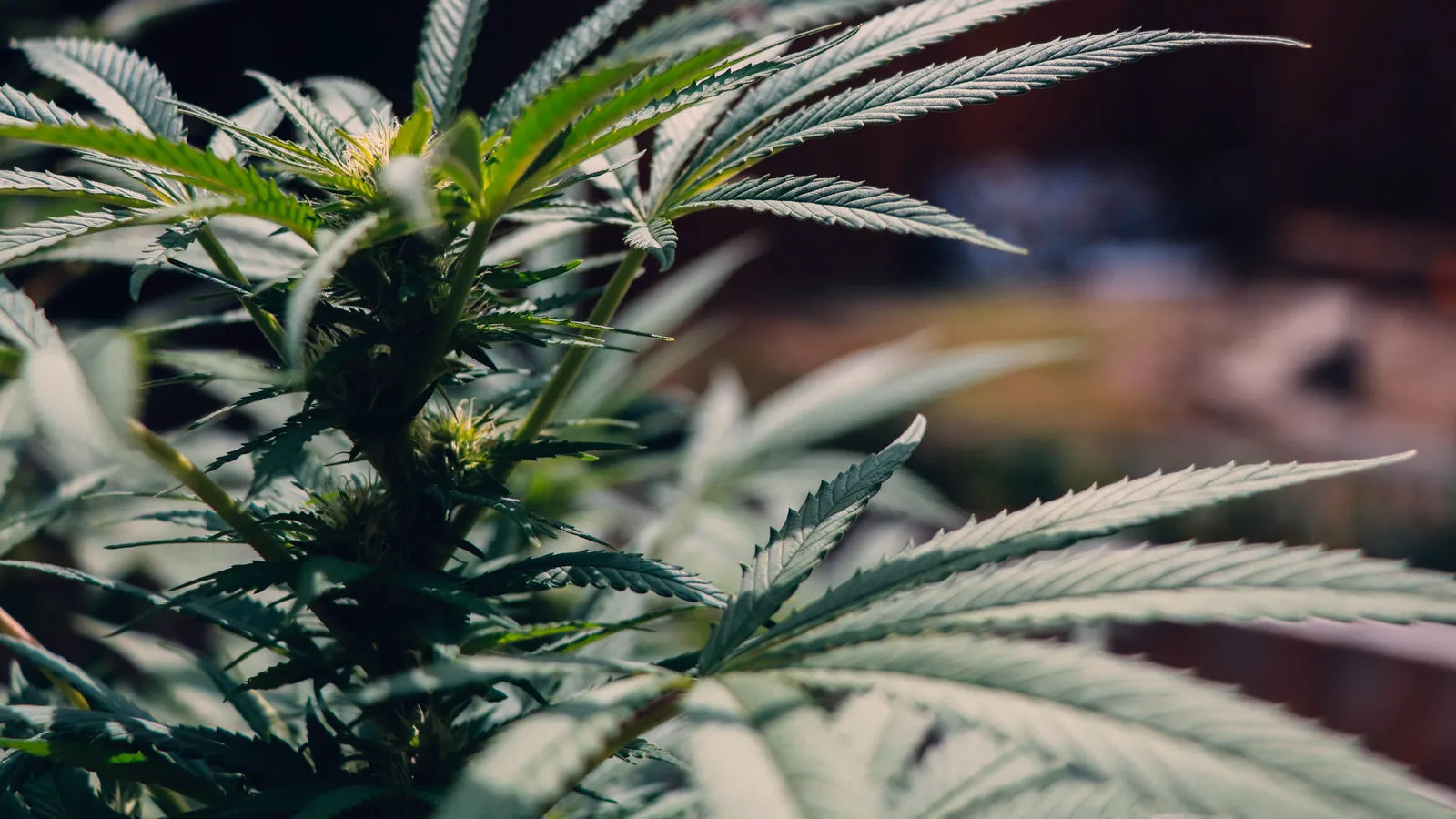
Sex shows at the nodes — the joints where branches meet the main stem — usually a few weeks before real flowering. These early structures are called preflowers, and they are readable with nothing more than daylight and a steady hand.
| Type | Sign at the node | Typical timing outdoors | Action |
|---|---|---|---|
| Male | Smooth round ball on a short stalk | Late June to mid July | Remove the whole plant |
| Female | Teardrop sac with a white hair emerging | Early to mid July | Keep and train |
| Intersex | Female flowers plus banana-shaped sacs | Any time in flower | Isolate or remove; pick off sacs if minor |
The male ball has no hair, ever. If you see a single white hair, it is female, and if you are squinting at a plant you cannot read, wait four days rather than guessing — a misread female pulled in July is a plant you do not get back.
The sexing sequence through an Irish season
Timings below assume a photoperiod plant started indoors and moved out once night temperatures hold above about 10C. Autoflowering plants run the same sequence compressed, since they flower on age.
- Sow indoors under light; sex is not visible and cannot be forced.
- Plant out once nights stay above 10C; protect stems from slugs, which strip young transplants faster than any other pest here.
- Start checking the fourth and fifth nodes weekly, in good light.
- Identify and remove males before any sac splits.
- Second pass for late developers and for banana-shaped sacs on keepers.
- Flowering proper; thin interior leaves to move air through the plant.
- Harvest. The season shuts quickly at this latitude, so a plant still swelling in mid October rarely finishes.
Bottom line: Sexing is a two-week job in late June and early July, and after that the calendar takes over.
Why one missed male costs more in Ireland
Pollen travels on wind, and the west and northwest get plenty of it off the Atlantic. Pollinated flowers put energy into seed, swell tighter around the calyx and hold moisture in the middle of the bud — which is exactly the condition botrytis exploits.
The weather gives it every chance. Rain falls in every month in Ireland with an autumn maximum, so the dullest, wettest weeks land on the flowering window, and no part of the island gets a dry finish, according to Met Eireann's climate summaries.
Rain during flowering: the west can take more than twice what the east does
Approximate annual rainfall, in millimetres, across the Republic:
Figures are yearly totals from Met Eireann's monthly climate data. A seeded, dense flower in the east has a chance; the same flower in the west, with Atlantic wind driving rain into it, usually does not.
What the label cannot control: stress and intersex flowers
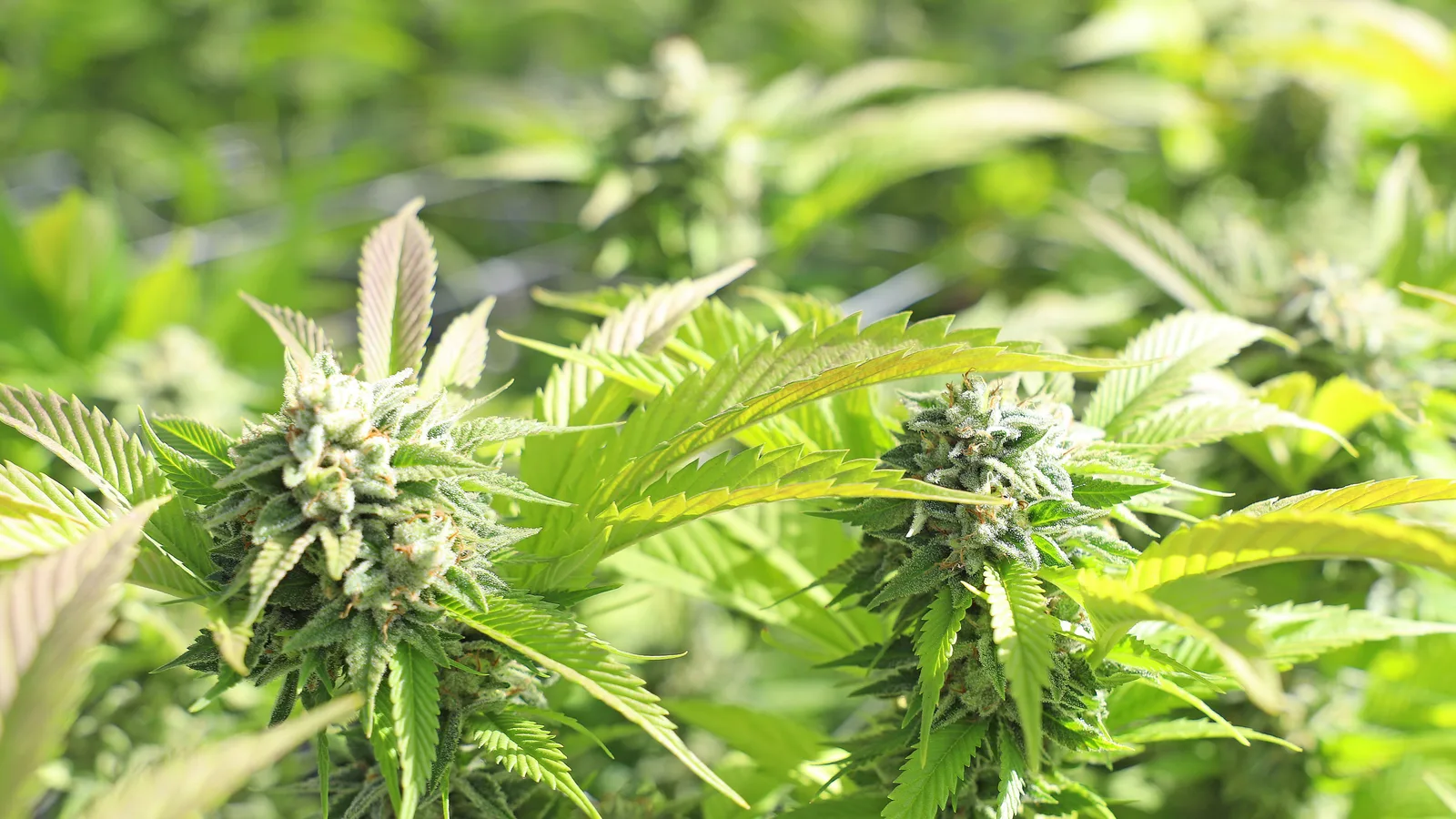
Feminised seeds are bred to flower female, but sex expression is not welded shut. Plants under sustained stress can produce male or banana-shaped pollen sacs among female flowers, and that happens regardless of what the packet said.
The usual triggers are worth naming, because most are avoidable:
- Light leaks into a dark period indoors, including a bright standby LED.
- Severe stem damage from wind rock or a rough transplant.
- Heat and drought swings, then a hard rewatering.
- Leaving a plant weeks past its natural finish.
- Genetic tendency in a particular line, which only repeat grows reveal.
Indoors in Ireland, the stress that actually bites is damp rather than heat: ambient humidity sits near 80%, so a dehumidifier sized for the room does more for flower quality than any extra light. Electricity is among the dearest in the European Union, which is another argument for a short, clean flowering run rather than a long one.
Bottom line: A feminised label removes routine culling; it does not remove the need to fix light leaks, wind rock and late harvests.
When a male is worth keeping
Males have one real use to a home grower: making seed. If you want to cross two plants you like, you need regular seeds, a male you can isolate completely, and somewhere the pollen cannot drift onto flowering females — a separate room, not the far end of the same garden.
Selecting a male is slower than selecting a female, because you are judging stem strength, internode spacing, smell of the crushed leaf and flowering speed rather than flowers. If your goal is simply to repeat a plant you already have, breeding is the wrong tool — that is a job for cuttings, and what keeping mother plants actually involves.
Common mistakes
Guessing sex from height or leaf shape
Tall, lanky and thin-leaved does not mean male. Spot it by the claim itself — if someone sexed a plant without looking at a node, they guessed. Check the fourth or fifth node and wait for a preflower.
Pulling males too late
Sacs that have already split have released pollen, and the plants downwind are done. Watch for sacs turning from tight green balls to loose, slightly yellowed clusters. Remove suspect plants before that stage, bagging the top rather than shaking it.
Treating feminised as unsupervised
Growers stop looking after week two of flower and miss banana sacs forming deep in a bud. Inspect the interior of the plant weekly under good light. Pick off isolated sacs; remove a plant throwing them everywhere.
Choosing a strain on sex label alone
A feminised label with a twelve-week flowering time is worse here than a regular seed that finishes in September. Compare advertised finish dates against an early October cut-off, then compare flower structure.
Saving seed from an accidental pollination
Seed from an unknown, stressed intersex plant carries that tendency forward, and you find out a year later. If a crop seeds itself by accident, grow it out for interest, not as your main line.
Culling in the rain
Wet handling spreads pollen and mould spores across the whole bed. Do the sexing pass on a dry, still morning and wash your hands before touching keepers.
What to check once sex is settled
With males gone, the decisions that remain are the ones the label never covered: how open the flower is, how fast it finishes, and how it behaves when a week of rain sits on it. Those are the traits that separate a harvest from a compost heap here, and they are the ranking criteria in choosing seeds for Ireland's short, wet season.
Of the varieties we carry, Blue Dream Feminised is a fair illustration of the split this article is about: it is sold as feminised, so the sex question is answered before you sow, while its reported airy, sativa-leaning flower structure is the part you are actually buying for a damp autumn. Included because it matches those two criteria — no routine culling, and open flowers rather than dense ones — not because of any yield figure.
Where to go next
You now know what the label fixes — expected sex — and what it leaves to you: preflower checks in late June, a hard cull before sacs split, and a strain chosen for open structure and an early-October finish. Put that to work by filtering on finish time and flower density in the strain finder, or browse feminised seeds if you would rather skip the culling pass entirely and spend July on airflow instead.
Sources
- Met Eireann, climate of Ireland overview.
- Met Eireann, monthly climate data.
Frequently Asked Questions
- How do you tell if a cannabis plant is male?
- Look at the nodes where branches meet the stem, from about late June outdoors. A male preflower is a smooth round ball on a short stalk with no hair on it. A female preflower is a teardrop-shaped sac with a fine white hair emerging. If you cannot read it clearly, wait four days rather than guessing, because a female pulled in July cannot be replaced.
- Can feminised seeds turn male?
- Feminised seeds are bred to flower female, but sustained stress can push a plant to produce male or banana-shaped pollen sacs among its female flowers. The usual triggers are light leaks into the dark period indoors, severe stem damage from wind rock, heat and drought swings, and leaving a plant weeks past its natural finish. Fixing those causes matters more than the label.
- What happens if a male pollinates my plants?
- Pollinated flowers put energy into seed instead of resin, swell tighter around the seed and hold moisture inside the bud. In Ireland that is the worst possible outcome, because rain falls in every month with an autumn maximum and grey mould exploits exactly that dense, damp interior. Remove males before their sacs split, bagging the top rather than shaking the plant.
- Are male cannabis plants useful for anything?
- Their one real use to a home grower is making seed. Crossing two plants needs regular seeds, a male kept in complete isolation, and no airflow path to flowering females. Selecting a good male is slower than selecting a female, since you judge stem strength, internode spacing and flowering speed rather than flowers. To repeat a plant you already have, take cuttings instead.
- When should I remove male plants outdoors in Ireland?
- Aim to have males identified and removed between late June and early July, before any pollen sac splits. Start weekly node checks in mid June, then do a second pass in mid July for late developers and for banana-shaped sacs on the plants you kept. Do the culling pass on a dry, still morning so you are not spreading pollen or spores across the bed.
Related Articles
Autoflower vs Feminised Seeds in Ireland: Finish Dates, Mould Risk, Yield and Indoor Running Costs
starting-outHow to Choose Cannabis Seeds in Ireland: Seed Types, Finish Dates and Wet-Autumn Traits
pests-and-problemsOutdoor Growing in Ireland: Mould Resistance, Strain Selection and Regional Differences
outdoorCannabis Seeds in Ireland: Seed Types, Season Dates and How to Choose for a Wet Autumn
Ready to Start Growing?
Browse 1,677 cannabis seed varieties with discreet shipping to addresses in all 26 counties and our sourced grow figures.
Shop Cannabis Seeds