Cloning Weed: Taking Cuttings, Rooting Times, Mother Plants and Why We Sell Seeds Instead
Royal King Seeds
Cultivation team
Contents
- The two propagation routes, and what sits under each
- The rooting timeline, and how it lines up with the Irish season
- Seed or cutting: what actually differs
- What a mother plant costs you in an Irish room
- Why we do not sell clones
- Common mistakes when cloning
- When cloning is genuinely the right call
- Where to go next
- Sources
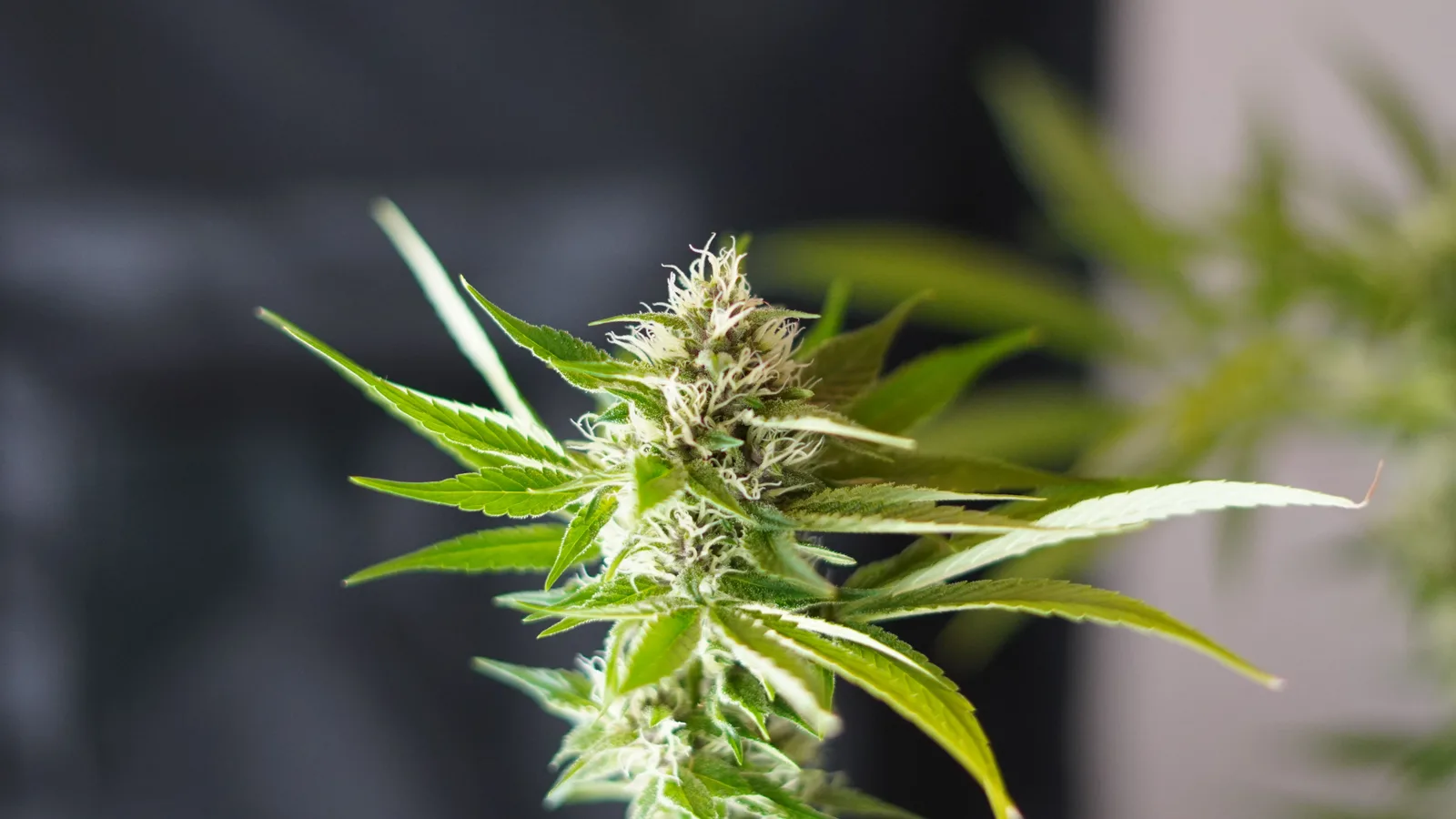
Cloning weed means cutting a growing tip off a living plant and rooting it, so the new plant is a genetic copy of the one it came from. It needs a healthy mother kept in vegetative growth, a propagator with a humidity dome, and roughly ten to eighteen days before the cutting has roots worth planting. We sell seeds and not clones because a rooted cutting is a living, thirsty, unsealed plant that cannot be posted, and because everything the mother carries — good and bad — travels with it.
That last point is the one that matters in an Irish room. A cutting inherits flower structure, finish time and mould behaviour exactly, which sounds like a gift until you realise it also inherits powdery mildew spores, thrips eggs and whatever virus the mother picked up two years ago. This article covers the mechanics, the timing, the running cost of a mother plant, and the specific cases where cloning is genuinely the right call.
The two propagation routes, and what sits under each
- Feminised seed — grown out as a fresh individual, taproot from day one
- Autoflowering seed — fixed lifespan, flowers on age rather than daylight
- Mother plant method — one plant held in veg, cuttings taken from it repeatedly
- Perpetual cloning — cuttings taken from cuttings, generation after generation
- Re-vegetation — a flowering or harvested plant pushed back into veg growth
Only the first two arrive in the post. The three cutting routes all assume you already have a living plant in the room, which is why a clone is something a grower makes rather than something a shop ships.
What taking a cutting actually involves
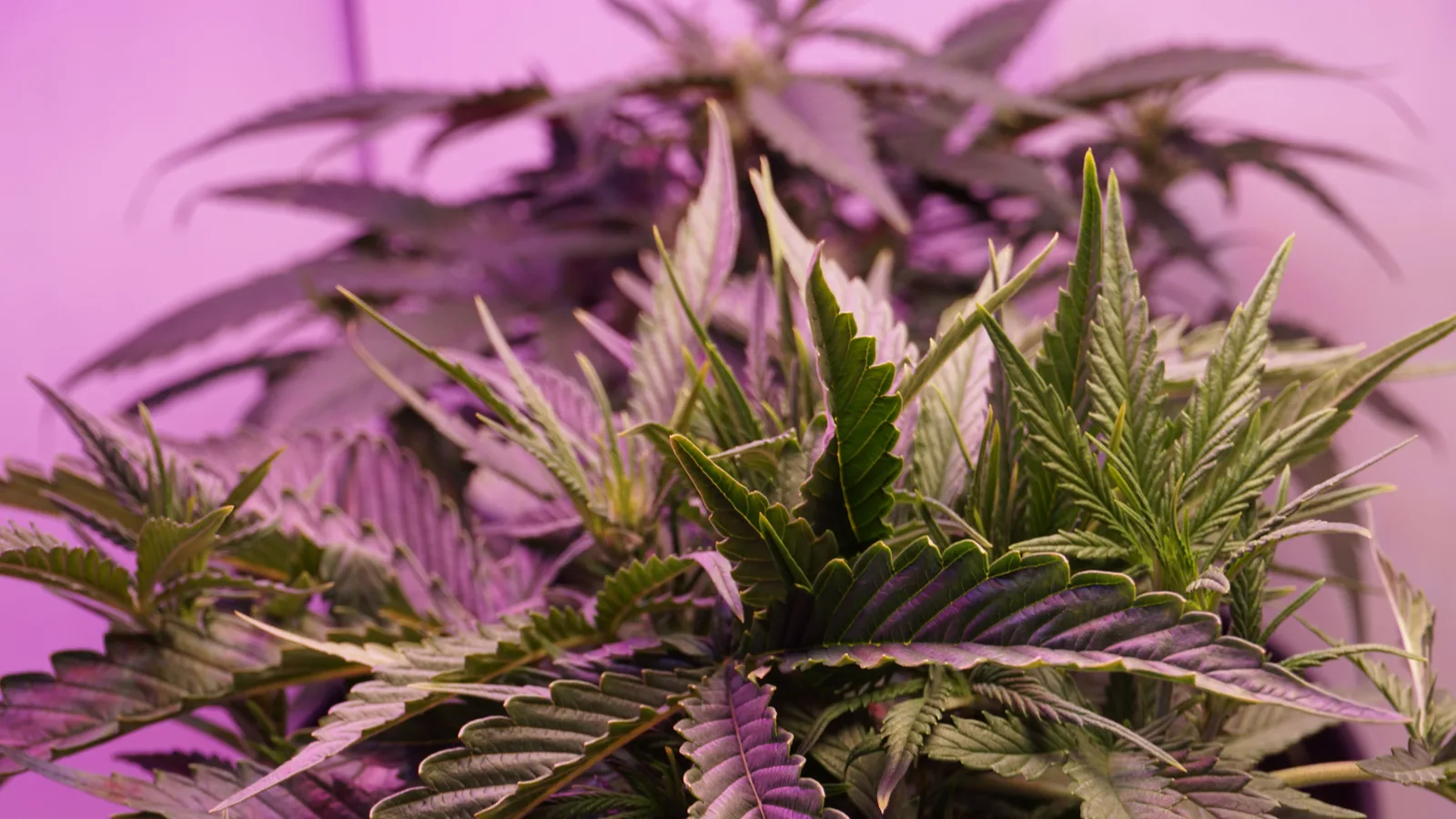
You want a shoot 8 to 12cm long from the middle of a healthy vegetative plant, cut at a 45-degree angle with a clean blade, lower leaves stripped and the remaining fans trimmed back by about half to cut water loss.
The cut end goes into rooting gel or powder, then into a moist medium — rockwool, coco plug or fine compost — and straight under a dome at 21 to 24C with gentle light. No feed. A cutting has no roots to feed with.
Bottom line: Cloning is a propagation technique that starts with a plant you already own, not a product that can be delivered.
The rooting timeline, and how it lines up with the Irish season
- Take the cutting, dip, insert, dome closed, medium moist not soaked.
- Leaves may droop. Vent the dome briefly once a day and mist the inside, not the plant.
- Callus forms at the cut. Nothing visible happens above the medium — resist pulling it up to check.
- First white roots show at the plug edge. Begin opening the dome for longer each day.
- Pot on, start weak feed, run 18 hours of light to build frame before plant-out.
- Harden off outdoors for 7 to 10 days, increasing exposure to wind and cold gradually.
- Plant out once night temperatures hold above about 10C, with slug protection in place from day one.
Count backwards from that end-of-May date and cuttings need to be taken in early to mid-April at the latest. Take them in June and you have thrown away several of the seventeen daylight hours midsummer gives us at this latitude, which is the single best thing about growing outdoors here.
Bottom line: A cutting costs you four to six weeks of calendar before it is a plant, so April is the deadline, not May.
Seed or cutting: what actually differs
| Route | Root system | Uniformity | Time to plant-out (weeks) | Carries parent's pests and disease |
|---|---|---|---|---|
| Feminised seed | Taproot from germination | Some variation between siblings | 4-6 | No |
| Autoflowering seed | Taproot from germination | Some variation between siblings | 3-4 | No |
| Rooted cutting | Adventitious, shallow at first | Identical to mother | 3-4 plus mother upkeep | Yes |
The trade is straightforward: a cutting buys you certainty about the plant's behaviour and costs you a taproot, a clean start and the space a mother occupies all year. Seed buys you a clean, deep-rooted plant and asks you to accept that two sisters from the same packet will not finish on the same day.
Why the taproot matters more here than in a drier country
Ireland has no dry season. Rain falls in every month with an autumn maximum, so ground that was workable in June is often saturated by the time plants are in flower.
The west can take more than twice the rain the east does
Approximate annual rainfall, millimetres, long-term averages across the Republic, from Met Éireann's climate summary:
A shallow, fibrous root plate sitting in heavy midlands ground through an autumn like that anchors badly in Atlantic wind and struggles to find air, while a seed-grown taproot pushes down through it. That is a real argument for seed outdoors and a non-argument indoors, where the pot decides the root shape anyway.
Bottom line: Outdoors in Ireland the seed-grown taproot is a structural advantage; indoors the difference all but disappears.
What a mother plant costs you in an Irish room
A mother is not a plant you harvest. She sits under 18 hours of light every day of the year, in a tent you are already paying to dehumidify, producing nothing but cuttings.
Indoor growing here is a damp problem and a cost problem rather than a heat problem. Ambient humidity sits near 80% for much of the year, and a mother plant with dense foliage in a poorly vented corner becomes the reservoir that reinfects every cutting you take from her. A dehumidifier sized to the room is not optional alongside a mother.
Then there is the standing electricity bill, which in Ireland is a meaningful line rather than a rounding error. Keeping a plant alive for twelve months to avoid buying seeds is rarely the cheaper route unless you are running several harvests a year off her.
Why we do not sell clones
- A cutting cannot be posted. It has no dormancy, no seed coat and no water reserve; two days in a parcel is usually fatal.
- It moves pests. Spider mite eggs, thrips and mildew spores travel on leaf tissue in a way they cannot travel in a seed.
- It has no shelf life. Seeds keep for years in a cool, dry, sealed container; a rooted plug dries out in a day.
- It cannot be checked on arrival. Seeds either look sound or they do not, and how a parcel travels is something we can describe honestly.
Feminised seed already solves the problem most people buy clones to solve — it removes the work of identifying and culling males — without importing anyone else's pest problems into your room.
Bottom line: We sell seeds because seeds survive the post, store for years and arrive carrying nothing.
Common mistakes when cloning
Taking cuttings from a plant already in flower
The cutting has to reverse back into vegetative growth first. You will see single-bladed, wrinkled leaves and weeks of stalled growth. Take cuttings only from plants in veg, before the light drops.
Drowning the medium
A saturated plug with no oxygen rots at the stem base — look for a brown, pinched collar and yellowing tips around day five. Squeeze the plug so it is damp, not dripping, and vent the dome daily.
Cloning an autoflower
A cutting is the same physiological age as the mother, so it flowers to her clock and stays tiny. Autoflowers are a seed-only route — buy more seed instead.
Assuming a clone escapes mould
Clones inherit bud density exactly. If the mother packed tight, wet flowers, every copy will do the same, and botrytis is the thing that limits yield here — not cold, and never heat.
Planting rooted cuttings out too early
Shallow roots plus a cold May night plus slugs is how a tray of cuttings disappears overnight. Slugs, not exotic pests, strip young transplants in June. Harden off for a week and set barriers before the plant goes in.
Cloning from a generation you never assessed
If you clone before you have seen a plant finish, you are copying an unknown. Run the seed plant through to harvest, then take cuttings from the next one if you liked it.
When cloning is genuinely the right call
If you have grown a feminised plant that shrugged off a wet September, finished by the first days of October and had open, airy flowers, that individual is worth keeping. Cloning is how you keep her.
The honest sequence is seed first, selection second, cuttings third. Grow a few sisters, keep the one that suits your site, and take cuttings from her in April for the following season — described in more detail in our guide to choosing seeds for a short, wet Irish season.
For a starting point that matches this article's criteria, Blue Dream Feminised is included because it is a feminised line — so no sexing and no male culls — with a reported comparatively open flower structure, which is the trait you want to see in a plant before you decide she is worth cloning.
Where to go next
You now know what a cutting costs in time, space and carried-over disease, and why the clean start of a seed suits a damp room. If you are choosing the mother-to-be, run your site details through the strain finder to shortlist by finish date and structure. If you are planting outdoors this season, start from varieties selected for outdoor growing and pick the shortest finish you can live with.
Sources
- Met Éireann, climate of Ireland.
- Met Éireann, monthly climate data.
- Teagasc, horticulture crops advice.
Frequently Asked Questions
- How long does it take for weed clones to root?
- Most cuttings show their first white roots between day ten and day eighteen at 21 to 24C under a humidity dome, though it varies with variety, medium and how much leaf you left on. Nothing visible happens above the medium for the first week while the cut end forms a callus. Resist lifting the plug to check, because disturbing the cut sets rooting back several days.
- Can you clone an autoflowering plant?
- No, not usefully. A cutting is the same physiological age as the plant it came from, and an autoflower runs on age rather than daylight hours, so the cutting starts flowering almost immediately and stays very small. If you want more autoflowering plants, the only practical route is more seed. Photoperiod feminised plants are the ones worth taking cuttings from.
- Why do you not sell cannabis clones in Ireland?
- A rooted cutting is a living plant with no dormancy, no seed coat and no water reserve, so it rarely survives a postal journey. It also carries whatever the mother carried, including spider mite eggs, thrips and mildew spores, straight into your room. Seeds post safely, store for years in a cool dry container, and arrive carrying nothing from the parent plant.
- Are clones better than seeds for outdoor growing in Ireland?
- Generally no, because a seed-grown plant builds a taproot from germination while a cutting starts with a shallow, fibrous root plate. In ground that stays wet through an Irish autumn and in Atlantic wind, that deeper anchorage matters. Clones do have one real advantage: they copy a plant you have already watched finish, so mould behaviour and harvest date are known rather than guessed.
- When should I take cuttings for an outdoor grow?
- Take them in early to mid-April. Allow ten to eighteen days to root, two to three weeks to build a frame under 18 hours of light, and seven to ten days hardening off outdoors before planting out at the end of May once night temperatures hold above about 10C. Cuttings taken in June waste the longest daylight of the year.
- What temperature and humidity do cannabis cuttings need?
- Aim for 21 to 24C at the medium with a closed humidity dome for the first few days, vented briefly once daily. Keep the medium damp rather than soaked, give gentle light and no feed, since a cutting has no roots to feed with. Once roots appear at the plug edge, open the dome for progressively longer each day to acclimatise the plant.
Related Articles
Autoflower vs Feminised Seeds in Ireland: Finish Dates, Mould Risk, Yield and Indoor Running Costs
breedingMale Cannabis Plants: What Seed Labels Control, How to Spot Preflowers and When to Cull
starting-outSeed Delivery in Ireland: Dispatch Times, Tracking, Eircodes and Returns
harvestStoring Cannabis Seeds in Ireland: Temperature, Humidity, Containers and Shelf Life
Ready to Start Growing?
Browse 1,677 cannabis seed varieties with discreet shipping to addresses in all 26 counties and our sourced grow figures.
Shop Cannabis Seeds