Hemp Seed Types for Irish Growers: Fibre, Grain, Dual-Purpose and CBD-Rich Compared
Royal King Seeds
Cultivation team
Contents
- The four things the word hemp is used for
- The four types compared
- Why the Irish climate decides this for you
- An Irish season, start to finish
- Botrytis, not cold, is the yield limit
- Spacing: the mistake carried over from field hemp
- If you are growing for cannabinoids
- Common mistakes
- Where to go from here
- Sources
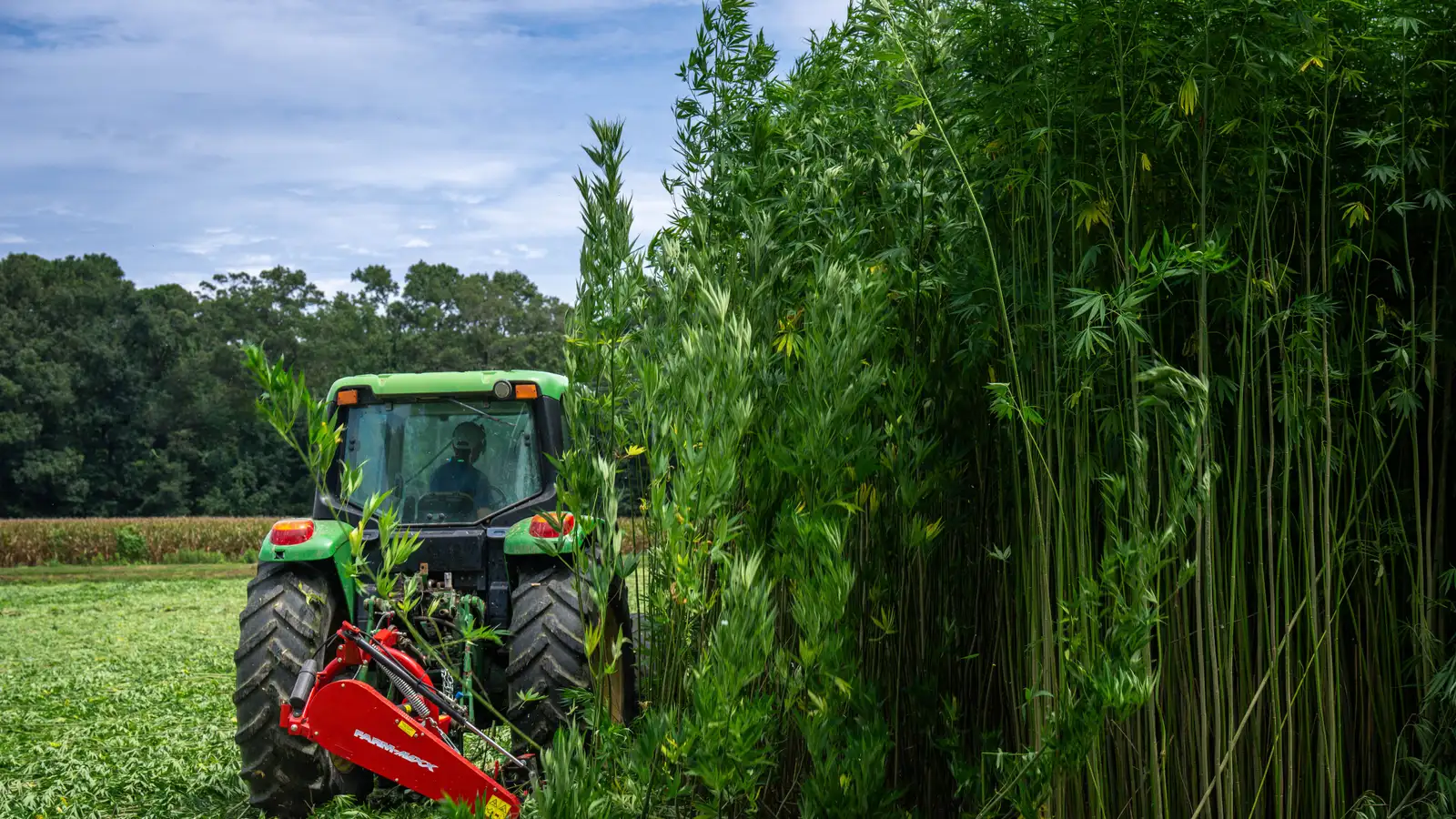
If you are shopping for hemp seed, the first decision is not a variety name — it is which of four crop types you actually want. Fibre, grain and dual-purpose varieties are broadacre field crops sown thickly and cut with machinery; CBD-rich varieties are resin crops grown as widely spaced individual plants. They are the same species, and almost nothing about how you handle them is shared.
That distinction matters more in Ireland than in most places, because our autumn takes away the finishing weather that a late-maturing field variety needs. What follows sets out the four types, the sowing and harvest window that our season allows, and how rainfall and humidity narrow the choice.
The four things the word hemp is used for
- Tall, thin, unbranched stems grown for bast fibre and hurd; sown dense, cut at flowering.
- Shorter, earlier types grown for the seed itself; combined when seed heads ripen.
- A compromise stand giving usable straw and a seed harvest, with less of each.
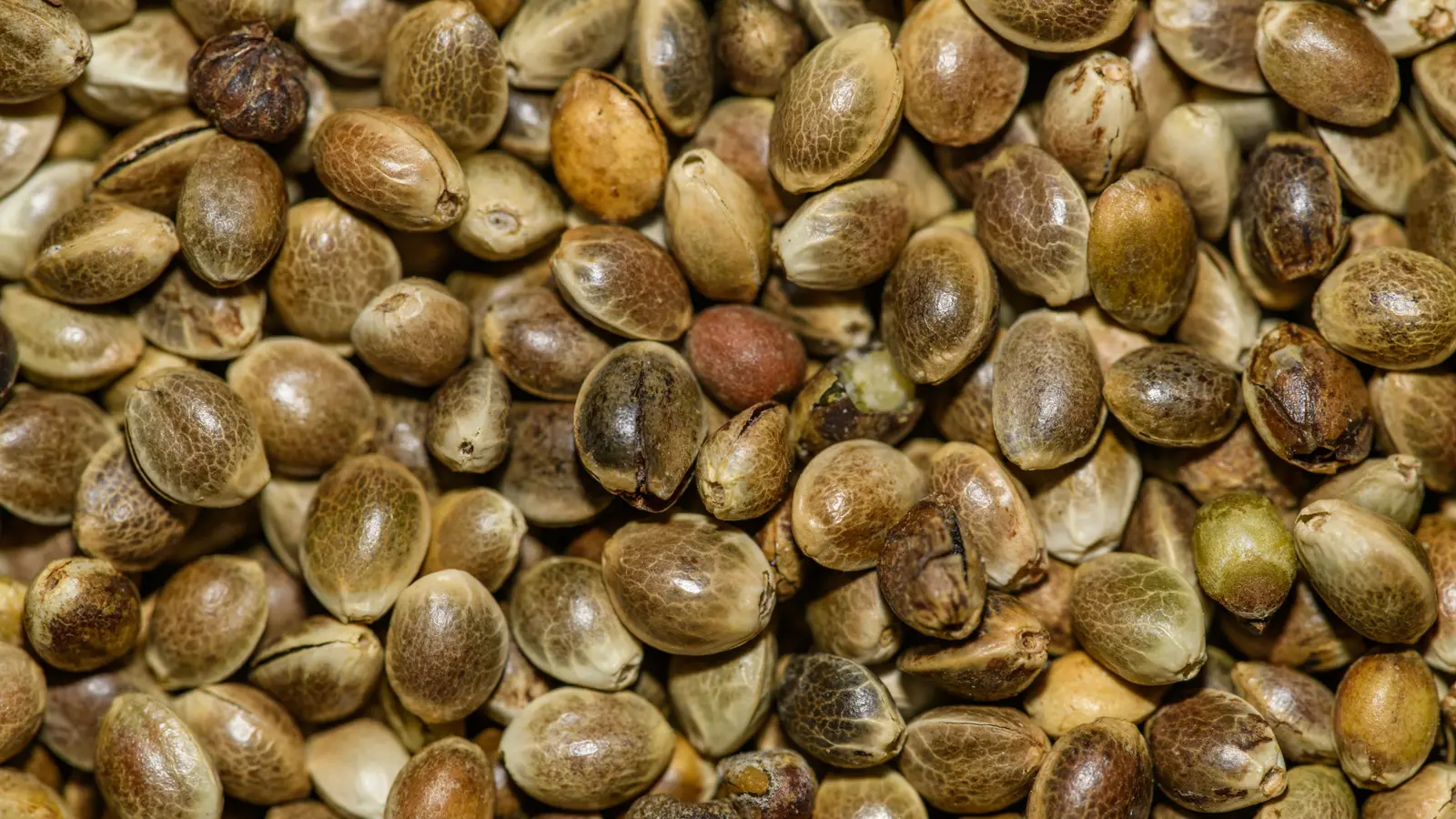
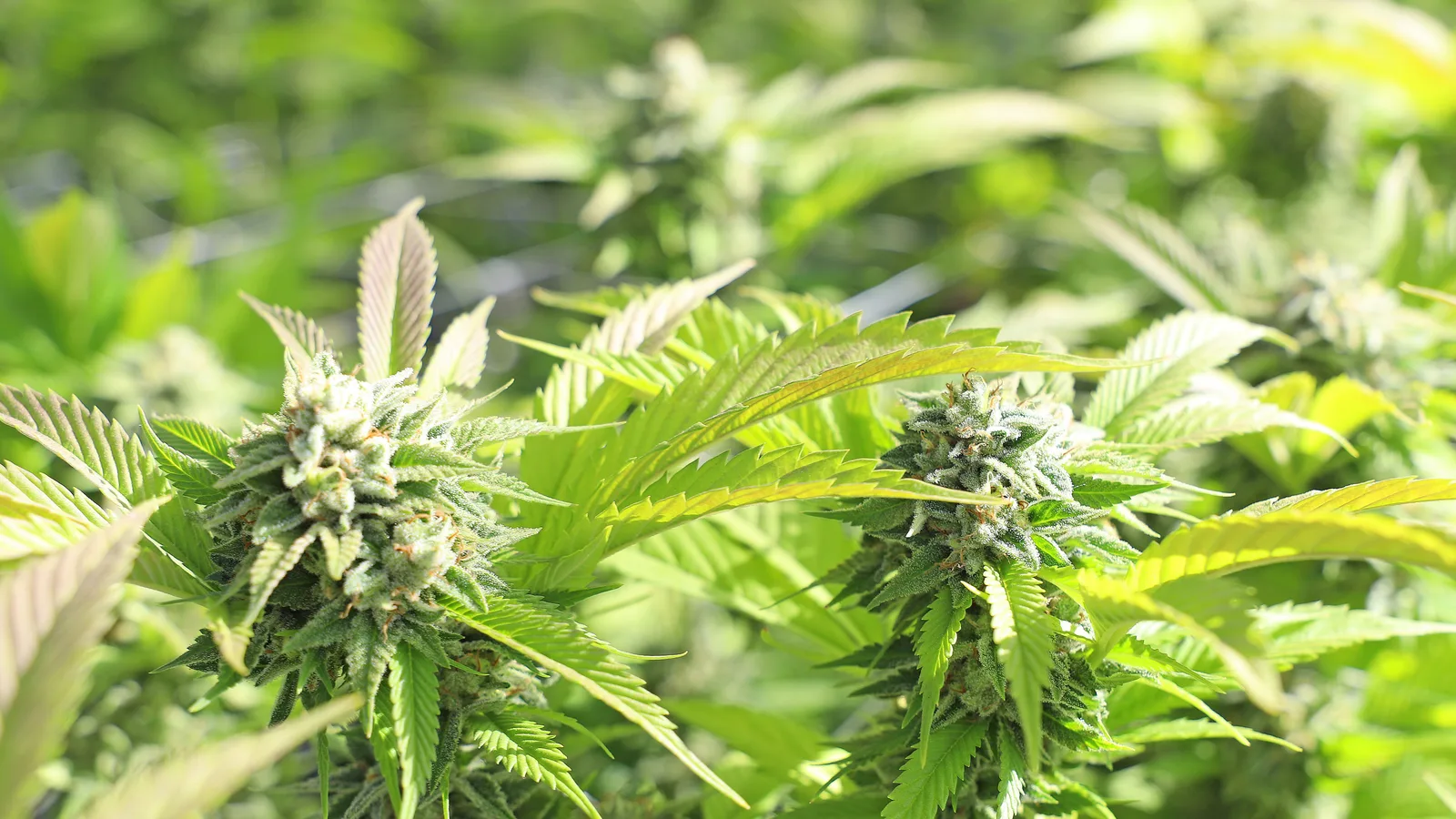
- Widely spaced, branched, resin-bearing plants selected for cannabinoid content in the flower.
Fibre and grain hemp are agricultural crops: seed is bought by the kilo, sown in rows or broadcast, and managed like any other tillage crop. Teagasc groups it with the field crops for exactly that reason, and it behaves like one — uniform, competitive, harvested mechanically.
CBD-rich hemp is the opposite. Each plant needs space, air movement and individual attention, and the harvest is hand-trimmed flower rather than baled straw. A grower with a polytunnel and twelve plants is in this category whether they call the crop hemp or not.
Bottom line: Decide whether you want stem, seed or flower before you look at a single variety name, because the three do not overlap.
The four types compared
| Type | Grown for | Typical spacing | Harvest stage | Fits a small Irish plot? |
|---|---|---|---|---|
| Fibre | Stem, bast fibre | Dense stand, no gaps | Early flowering | No — needs area and machinery |
| Grain | Seed | Field rows | Ripe seed heads | Rarely — birds and weather take it |
| Dual-purpose | Straw plus seed | Field rows | Seed ripe, straw retted after | No — compromises both ends |
| CBD-rich | Flower, cannabinoids | One metre or more per plant | Flower maturity | Yes — the only realistic option |
For anyone growing in a garden, allotment or tunnel rather than a tillage field, the practical answer is the last row: a spaced, branched, CBD-rich variety handled like any other resin crop. The first three types only make sense at field scale with a buyer for the straw or grain.
Why the Irish climate decides this for you
Ireland has no dry season. Rain falls in every month, and the maximum comes in autumn, so the dullest, wettest weeks of the year land directly on the flowering window — Met Éireann's climate summary describes the pattern plainly. There is nowhere on the island where an outdoor crop finishes dry.
Western areas can take more than twice the rain the east does (annual totals, mm)
Annual rainfall across the Republic, from Met Éireann monthly climate data. The gradient is real, but it is a gradient within one temperate oceanic climate — an eastern grower gets better odds, not a different season.
The compensation is latitude. At 51.5 to 55.4 degrees north, midsummer gives around seventeen hours of daylight, which builds vegetative size fast in June and July. The same latitude is why October shuts the season off so abruptly.
Bottom line: Long June days are the Irish advantage and a wet October is the Irish limit, so finish time beats every other trait on the label.
An Irish season, start to finish
- Start seed under cover in small pots; a windowsill or heated propagator is enough.
- Harden off outside during the day, back under cover at night.
- Plant out once night temperatures hold above about 10°C. Slug protection goes on the same day.
- Long days drive fast vegetative growth; stake early against Atlantic wind.
- Strip lower growth and thin the interior so air moves through the plant.
- Flowering begins; inspect the densest sites twice a week for grey mould.
- Autumn rain arrives in earnest. Remove any affected bud immediately, cutting well below the damage.
- Harvest window opens. Take the crop on the first settled spell rather than waiting for perfection.
- Everything outdoors should be cut and hanging by now.
That sequence is roughly four months of usable weather. A variety that wants ten or eleven weeks of flowering after a late-May plant-out is asking for the one thing the calendar will not give it.
Botrytis, not cold, is the yield limit
Grey mould — Botrytis cinerea, the rot that turns a dense flower brown and fibrous from the inside — is what actually costs Irish growers their crop. Not frost, and never heat. It moves fastest in cool, still, saturated air, which is precisely September and October here.
Two traits do more than any spray. Open flower structure, so air passes through the bud instead of sitting in it, and a short finish, so the plant is cut before the worst weeks. Our guide to mould resistance and outdoor strain selection by Irish region goes through the trait-by-trait reasoning; the broader seed-choice logic is in choosing cannabis seeds for Ireland's short, wet season.
Fibre and grain hemp sidestep the problem by being cut before or at flowering, which is part of why they suit the climate agronomically. Resin crops cannot sidestep it, so they have to be selected for it.
Spacing: the mistake carried over from field hemp
Field hemp is sown thick on purpose. Competition suppresses branching and weeds, and gives long clean stems. Carry that density into a resin crop and you build a humid, unventilated canopy in the wettest autumn in northern Europe.
Give CBD-rich plants at least a metre each, more in the west where the ground stays wetter and the air heavier. Raised beds or large containers help in the midlands, where heavy ground holds water long after the rain stops.
Bottom line: Fewer plants with air between them out-yield a crowded plot in Ireland, every year.
If you are growing for cannabinoids
CBD-rich varieties are sold as feminised seed for a practical reason: a pollinated resin crop puts its energy into seed instead of flower. What a feminised or autoflowering label does and does not control is covered in male cannabis and what the label controls.
For a first outdoor or tunnel attempt, an autoflowering CBD variety is the safest shape of plant for this season — it runs on its own clock rather than waiting for shortening nights, which pulls the harvest earlier. CBD Fast Eddy Feminised is included here because its reported short seed-to-harvest time and compact, manageable size match the two criteria this article keeps returning to: finish early, keep air moving. If you would rather compare photoperiod and autoflowering habits first, read autoflower versus feminised seeds for Irish conditions.
Indoors, the constraint is different again. Ambient humidity near 80% means a dehumidifier sized for the room is the first purchase, ahead of any upgrade to lights, and Irish electricity is among the dearest in the European Union, so a short-finishing variety saves money as well as mould.
Common mistakes
- Buying agricultural fibre seed and expecting flower. The giveaway is seed sold by the kilogram with a sowing rate per hectare. Those varieties are bred to grow straight and unbranched. Buy a spaced resin variety instead.
- Planting out in early May. Cold nights stall a transplant for a fortnight and it never catches up. If nights are still dropping toward 5°C, wait. End of May is the honest date.
- Field-crop spacing on a resin crop. You will see it as bud that stays wet after rain and the first grey patches in August. Thin now, or plant fewer next year.
- Choosing on headline yield or cannabinoid figures. A variety that needs an extra three weeks will lose more to rot than it ever gained on paper. Sort by finish time first, then compare.
- Ignoring slugs in June. A young transplant can be stripped overnight and growers blame the weather. Protect every plant on the day it goes out, and check after rain.
- Waiting for a dry week in October. It may not come. Cut on the first settled spell after the flowers are mature rather than gambling on better weather.
Bottom line: Every one of these is a timing or spacing error, not a variety problem.
Where to go from here
You now know which of the four hemp types suits a small Irish plot, the late-May to early-October window it has to fit, and the two traits that decide whether it survives the autumn. Two sensible next steps: run the strain finder filtered for a short finish if you want the shortlist done for you, or browse the CBD-rich varieties directly and compare their reported flowering times against the timeline above. If you are still weighing up the basics, start with hemp in Ireland: types, seeds, climate and growing conditions.
Sources
- Met Éireann, climate of Ireland.
- Met Éireann, monthly climate data.
- Teagasc, crops research and advice.
Frequently Asked Questions
- is hemp the same plant as cannabis
- Yes, they are the same botanical species, but the word hemp usually describes varieties bred and grown for fibre, grain or cannabinoid content rather than for resin potency. Fibre and grain types are sown densely as field crops and harvested mechanically. CBD-rich types are grown as widely spaced, branched individual plants and hand-harvested for flower. The agronomy has almost nothing in common.of the two.n
- when should you sow hemp seed in Ireland
- Start seed under cover in mid-April and plant out at the end of May, once night temperatures reliably hold above about 10°C. Planting earlier stalls the transplant in cold soil and it rarely catches up. Harvest is late September into the first days of October, because daylight falls away quickly at Irish latitudes and autumn rainfall peaks at exactly that point.
- can you grow hemp for fibre in a garden
- Not usefully. Fibre hemp depends on a dense stand, field-scale area and machinery to cut and handle the straw, and the value is in bulk rather than in individual plants. A garden, allotment or polytunnel suits a spaced CBD-rich variety far better, because those plants are handled and harvested one at a time.
- what is the biggest risk when growing hemp outdoors in Ireland
- Botrytis, or grey mould, which rots dense flowers from the inside during cool, still, saturated weather. Ireland has no dry season and rainfall peaks in autumn, so the worst conditions arrive during flowering. Choose varieties with open flower structure and a short finish, give each plant a metre or more of space, and cut on the first settled spell once flowers are mature.
- do you need a dehumidifier to grow hemp indoors in Ireland
- Yes, a dehumidifier sized for the room is the single most useful purchase for an Irish indoor space. Ambient humidity here sits near 80%, so the problem is damp rather than heat. Irish electricity is also among the dearest in the European Union, which is a further argument for short-finishing varieties that spend fewer weeks drawing power.
Related Articles
How to Choose Cannabis Seeds in Ireland: Seed Types, Finish Dates and Wet-Autumn Traits
outdoorCannabis Seeds in Ireland: Seed Types, Season Dates and How to Choose for a Wet Autumn
autoflowerAutoflower vs Feminised Seeds in Ireland: Finish Dates, Mould Risk, Yield and Indoor Running Costs
pests-and-problemsOutdoor Growing in Ireland: Mould Resistance, Strain Selection and Regional Differences
Ready to Start Growing?
Browse 1,677 cannabis seed varieties with discreet shipping to addresses in all 26 counties and our sourced grow figures.
Shop Cannabis Seeds